
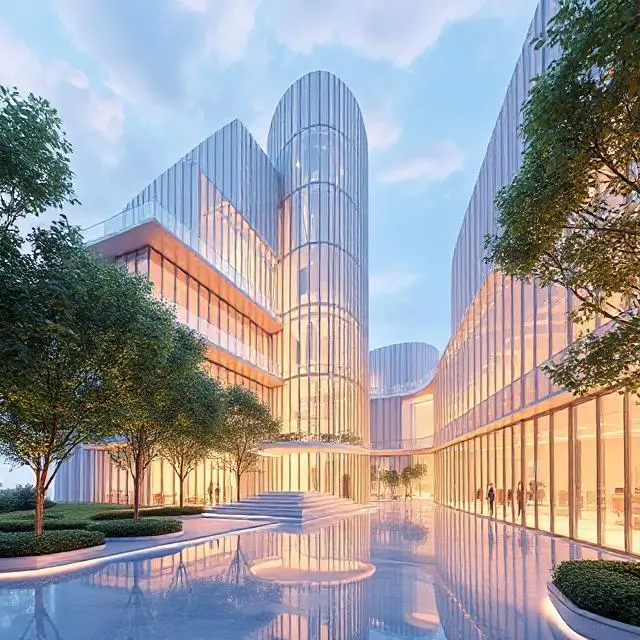
AI is transforming the future of architecture through AI architecture rendering and AI in 3D visualization. By enhancing speed, accuracy, and creativity, AI reduces costs, improves collaboration, and delivers photorealistic architectural rendering. With powerful architectural AI tools, professionals can explore more design options, optimize sustainability, and create immersive storytelling experiences. From interiors and exteriors to large-scale urban planning, AI is shaping the next era of design, making architectural visualization faster, smarter, and more engaging.
The world of architecture and design has always been driven by innovation. From drafting tables to CAD software, and from hand-drawn sketches to 3D modeling, every new technology has pushed boundaries. Today, we’re entering yet another transformative era of AI architecture rendering. Artificial Intelligence (AI) is no longer a futuristic concept; it’s actively reshaping how architects, designers, and real estate professionals visualize and communicate their ideas.
This blog explores how AI in 3D visualization is redefining architectural workflows, the major architectural AI tools available today, and the broader implications of this shift. We’ll also look at the benefits of AI rendering, the power of storytelling in 3D visualization, and how AI connects with the demand for photorealistic architectural rendering and best 3D visualization services.
Why AI is Changing the Future of Architecture
Traditionally, rendering was a labor-intensive process requiring advanced hardware, skilled professionals, and plenty of time. While traditional methods delivered impressive results, they often delayed decision-making and limited creative experimentation.
Here’s where artificial intelligence in architecture makes a massive difference:
- Faster Rendering Speeds – AI can generate high-quality visuals in a fraction of the time compared to traditional rendering engines.
- Cost Efficiency – By reducing man-hours, AI decreases project costs and makes exterior and interior rendering services more accessible.
- Creative Flexibility – AI-driven systems allow designers to test multiple design variations instantly, fostering innovation.
- Data-Driven Insights – Modern AI doesn’t just render; it analyzes materials, lighting, and design feasibility.
In short, AI architecture rendering isn’t replacing creativity it’s enhancing it.
Key Benefits of AI Rendering in Architecture
Let’s highlight some core benefits of AI rendering that are becoming central to architectural practices:
- Time-Saving
Traditional renders could take hours or even days. AI reduces this drastically while maintaining quality. - Improved Accuracy
AI integrates real-world data into designs, providing more reliable outputs. - Scalability
Whether it’s a single-family home or a high-rise tower, AI can scale rendering projects without compromising efficiency. - Cost Reduction
Less manual effort means reduced costs for visualization services. - Sustainability Insights
AI systems can model energy consumption and sustainability features in early design stages.
These advantages make it clear why 3D architectural visualisation is such an important thing today it empowers architects and clients to see possibilities instantly.
AI in 3D Visualization: Transforming Design Workflows
The rise of AI in 3D visualization has significantly changed how architects communicate with clients and collaborate with teams. Unlike static 2D drawings, AI-powered 3D renders deliver immersive and interactive experiences.
For example:
- A client can “walk” through a house virtually before construction begins.
- An architect can instantly swap materials, lighting, or furniture styles with AI-driven tools.
- Real estate marketers can showcase photorealistic architectural rendering for online listings, creating stronger buyer confidence.
This shift has made AI in 3D visualization not just a helpful tool, but a necessity for competitive design firms.
Architectural AI Tools Shaping the Industry
There are several architectural AI tools already transforming how projects are executed. Here are some worth mentioning:
- NVIDIA Canvas & GauGAN – Create landscapes and environments from simple sketches using AI.
- Spacemaker (by Autodesk) – Optimizes urban design using AI-driven generative design features.
- Chaos Vantage & Enscape AI Plugins – Provide instant rendering enhancements.
- Archistar – Helps with feasibility studies and design optimization using AI.
These top AI tools for architectural rendering and visualization are just the beginning. More tools are emerging daily, each aiming to speed up workflows and improve creative output.
Enhancing Creativity with AI in Architecture
Some skeptics fear that AI might reduce creativity in architecture. The opposite is true. In fact, AI provides architects with more creative freedom by removing repetitive tasks.
Imagine an architect who wants to test 20 different façade designs. Without AI, this would take days. With AI, it takes minutes. This means:
- More design variations can be explored.
- Client collaboration becomes more engaging.
- Unique, innovative ideas emerge faster.
This is why one of the strongest takeaways is that you can Enhance Your Creativity with 3D Architecture Visualization when AI is added to the process.
The Importance of Storytelling in 3D Visualization
Architecture is not just about structures; it’s about the stories they tell. The power of storytelling in 3D visualization becomes even more compelling with AI.
For example:
- A residential project can be presented as a “lived-in” space with natural lighting, furniture, and landscaping.
- A commercial project can highlight real-world traffic, pedestrian flow, and interior ambiance.
By combining AI architecture rendering with storytelling, architects can sell not just a building but an experience.
Photorealism and Precision: Meeting Client Expectations
One of the most demanded outcomes today is photorealistic architectural rendering. AI ensures that details like reflections, shadows, materials, and textures look indistinguishable from real photographs.
Clients can better understand how their future home or office will look, right down to furniture placement or sunlight exposure at different times of the day.
This demand also links with the rise of the best 3D visualization services, which now rely heavily on AI-powered engines to meet quality expectations.
AI and the Future of Exterior and Interior Design
The application of AI extends beyond just exteriors. From residential 3D visualization to large-scale urban planning, AI is becoming essential in:
- Interior design suggestions based on user preferences.
- Exterior façade optimization for aesthetics and energy performance.
- Landscape architecture rendering for creating balanced outdoor environments.
By integrating AI at all stages, architects ensure cohesive design experiences.
Why AI is the Future of Architecture
The question is no longer whether AI will impact architecture but how much and how fast. We’re already seeing architectural firms adopt AI for:
- Early-stage concept modeling.
- Rendering optimization.
- Data-driven urban planning.
- Sustainability studies.
And as AI continues evolving, the gap between concept and reality will shrink further. The next decade will likely make AI architecture rendering the industry standard rather than the exception.
Final Thoughts
The integration of AI in 3D visualization represents a turning point in the world of design. From speeding up workflows to enabling photorealistic architectural rendering, AI is empowering architects, clients, and real estate professionals alike.
By adopting architectural AI tools, firms can explore more designs, make better decisions, and create truly immersive environments. This is why why 3D architectural visualisation is such an important thing today it blends creativity, technology, and storytelling.
As architects embrace AI, they won’t just build structures they’ll shape experiences, communities, and the future of design.