
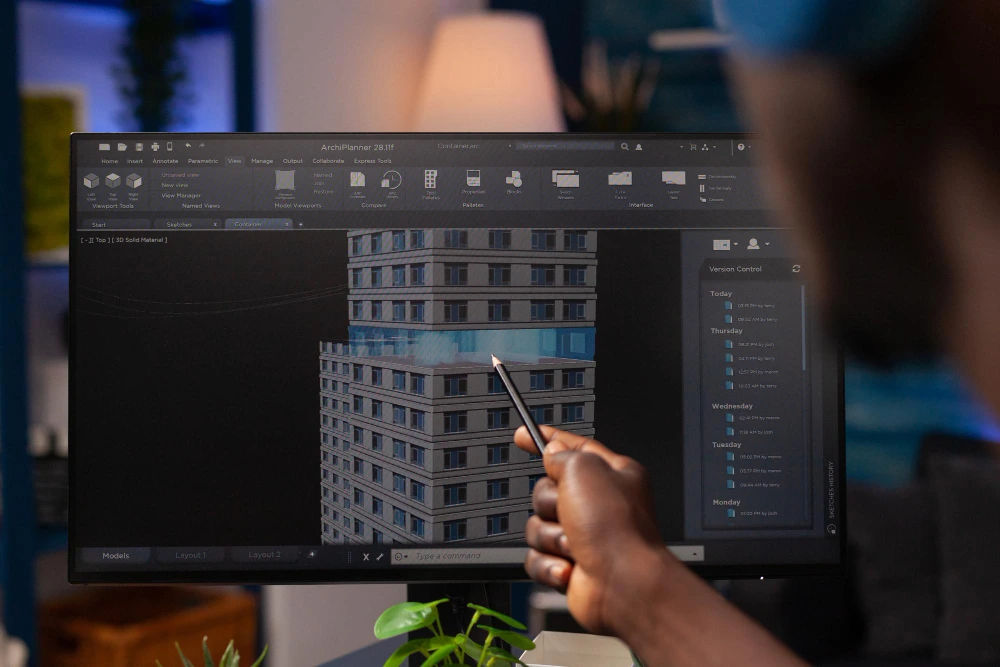
Architectural visualization in 2026 is driven by AI tools, real-time rendering, and immersive storytelling. This blog explores the future of architectural visualization, emerging trends, and how advanced 3D visualization is transforming architectural design, communication, and client engagement.
Architectural visualization has evolved far beyond static renders and basic 3D models. As we move into 2026, the industry is undergoing a major transformation driven by advanced technologies, changing client expectations, and a growing demand for immersive, story-driven experiences. Today, architectural visualization is not just about showcasing buildings it is about communicating design intent, emotion, and functionality long before construction begins.
For studios, developers, and design firms, understanding the future of architectural visualization is essential to staying competitive. From AI-powered workflows and real-time rendering to cinematic storytelling and interactive environments, architectural visualization is becoming smarter, faster, and more experiential than ever.
This blog explores the most important architectural visualization trends shaping 2026 and how innovative studios are redefining the way architecture is visualized, experienced, and sold.
The Evolution of Architectural Visualization
Over the past decade, 3D architectural visualization has shifted from a supporting design tool to a central pillar of architectural communication. What was once limited to photorealistic still images now includes walkthroughs, animations, virtual reality, and interactive digital environments.
In 2026, architectural visualization is no longer an optional add-on it is a strategic asset. Developers rely on it for early sales, architects use it to validate concepts, and stakeholders depend on it to understand complex projects clearly.
Key drivers behind this evolution include:
- Rapid advancements in real-time rendering engines
- The rise of AI tools for architectural rendering and visualization
- Increasing demand for immersive and interactive design experiences
- Greater emphasis on emotional connection and storytelling
Future of Architectural Visualization: What’s Changing in 2026?
The future of architectural visualization is defined by convergence where technology, creativity, and strategy intersect. Visualization workflows are becoming more intelligent, while output is becoming more engaging and accessible.
In 2026, architectural visualization focuses on:
- Speed without compromising realism
- Interactivity instead of passive viewing
- Narrative-driven presentations rather than technical displays
- Seamless collaboration between architects, clients, and visualization teams
This shift enables decision-making earlier in the design process and significantly reduces costly revisions during construction.
Architectural Visualization Trends Defining 2026
Real-Time Rendering as a Standard Workflow
One of the most influential architectural rendering trends is the widespread adoption of real-time rendering. Instead of waiting days for final outputs, designers and clients can now view changes instantly.
Real-time visualization allows:
- Live material, lighting, and layout adjustments
- Faster design approvals
- Interactive client presentations
- Better collaboration across teams
For architectural visualization service providers, real-time capability is no longer a luxury it’s an expectation.
AI Tools for Architectural Rendering and Visualization
Artificial intelligence is revolutionizing the visualization process. AI tools for architectural rendering and visualization are helping studios automate repetitive tasks, enhance realism, and speed up production timelines.
In 2026, AI is used for:
- Automated scene setup and lighting optimization
- Smart material and texture generation
- AI-assisted modeling and detailing
- Rapid concept visualization during early design stages
Rather than replacing creativity, AI enhances it allowing artists to focus on design quality, storytelling, and innovation.
Hyper-Realism Meets Artistic Direction
While photorealism remains important, the focus in 2026 is shifting toward controlled realism guided by artistic intent. Clients no longer want “just realistic” visuals they want visuals that communicate mood, lifestyle, and brand identity.
This approach combines:
- Accurate materials and lighting
- Cinematic composition
- Emotional color palettes
- Purposeful framing and camera movement
The Power of Storytelling in 3D Visualization
One of the most significant breakthroughs in modern architectural visualization is the emphasis on storytelling. Buildings are no longer presented as empty structures; they are shown as lived-in, functional, and emotionally engaging spaces.
The power of storytelling in 3D visualization lies in its ability to:
- Create emotional connections with viewers
- Communicate lifestyle and user experience
- Support marketing and pre-sales strategies
- Help clients visualize real-world use
Story-driven visualization uses people, lighting, motion, and context to transform architecture into a compelling narrative rather than a technical diagram.
Interactive Experiences and Immersive Visualization
Static visuals are giving way to immersive experiences. In 2026, interactivity is one of the strongest architectural visualization trends.
Common immersive formats include:
- Virtual reality walkthroughs
- Interactive 3D environments
- Web-based real-time experiences
- Augmented reality overlays
These technologies allow users to explore spaces at their own pace, view multiple design options, and gain a deeper understanding of scale and flow.
Architectural Visualization Services in 2026: What Clients Expect
Modern clients expect more from an architectural visualization service than just beautiful images. They want solutions that add value across the project lifecycle.
Key expectations include:
- Faster turnaround times
- Flexible revisions and real-time feedback
- Consistent visual branding
- Multi-platform output (images, video, VR, web)
- Clear communication and collaborative workflows
Visualization studios that combine technical excellence with strategic thinking will lead the market in 2026.
Sustainability and Data-Driven Visualization
Sustainability is becoming a central theme in architectural design and visualization plays a key role in communicating it.
In 2026, 3D architectural visualization increasingly includes:
- Daylight and shadow studies
- Energy efficiency simulations
- Environmental context visualization
- Material impact representation
These visuals help stakeholders understand not just how a building looks, but how it performs and interacts with its environment.
Cloud-Based Collaboration and Global Workflows
Cloud technology is enabling seamless collaboration between architects, developers, and visualization teams across the globe. Design files, real-time scenes, and feedback loops are now managed digitally.
This shift supports:
- Faster project coordination
- Version control and consistency
- Remote client presentations
- Scalable visualization production
Cloud-enabled workflows are a defining element of the future of architectural visualization.
Why Architectural Visualization Matters More Than Ever
As competition in real estate and architecture intensifies, visualization becomes a differentiator. High-quality architectural visuals help projects stand out, attract investors, and accelerate decision-making.
In 2026, architectural visualization is not just about aesthetics it’s about:
- Reducing uncertainty
- Enhancing communication
- Supporting marketing strategies
- Aligning design vision with client expectations
Studios that understand this strategic role will continue to grow in relevance and impact.
Conclusion
The future of architectural visualization in 2026 is defined by intelligence, immersion, and storytelling. With rapid advancements in AI, real-time rendering, and interactive technologies, visualization has become a powerful bridge between design intent and human experience.
The latest architectural visualization trends show a clear shift toward experiential, narrative-driven, and collaborative design communication. From AI-enhanced workflows to emotionally engaging 3D environments, architectural visualization is shaping how buildings are imagined, approved, and brought to life.
For forward-thinking studios and developers, embracing these innovations is no longer optional it is essential. And with expertise rooted in creativity and technology, architectural visualization services like those offered by Arktek3D are well-positioned to lead the industry into the next era of design