
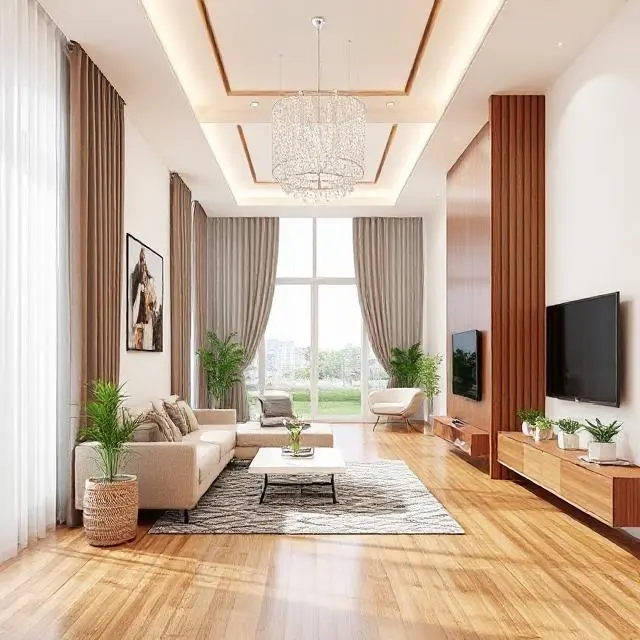
In 2026, 3D interior rendering services have transformed interior design by offering photorealistic visuals and virtual interior walkthroughs. Designers and architects can showcase layouts, lighting, and materials realistically, improving client engagement, reducing revisions, and enhancing marketing efforts. From small residential projects to large commercial spaces, these services support flexibility, sustainability, and scalability. The blog highlights 12 key benefits of using 3D interior rendering, helping professionals elevate their projects and boost their design business.
In 2026, the interior design industry has embraced 3D interior rendering as an essential tool for architects, designers, and real estate developers. With photorealistic interior renders and virtual interior walkthroughs, clients can now experience spaces before they are built. These technologies help designers present concepts with unmatched clarity, enhance marketing strategies, and improve client satisfaction.
Interior design visualization has transformed the way projects are communicated, enabling faster approvals, fewer revisions, and more efficient project management. Investing in architectural 3d rendering services is no longer optional it is a necessity for designers who want to stay competitive.
Here’s a detailed look at the top benefits of 3D interior rendering services in 2026.
1. Enhanced Visualization of Interior Spaces
Understanding a design from a 2D plan can be challenging for clients. 3D interior rendering allows them to see exactly how a space will look, including furniture layout, materials, colors, and lighting. Photorealistic interior renders showcase realistic textures, shadows, and finishes, while virtual interior walkthroughs let clients explore the space interactively. This clarity helps clients make faster and more confident design decisions and reduces misunderstandings between designers and clients.
What Makes It Valuable:
- Photorealistic interior renders highlight textures, shadows, and finishes.
- Virtual interior walkthroughs allow clients to explore spaces interactively.
- Helps clients make informed decisions quickly.
- Reduces misunderstandings between designers and clients.
- Improves collaboration among project stakeholders.
2. Increased Client Engagement and Satisfaction
By using interior design visualization, designers can create immersive experiences that impress clients and stakeholders. Interactive 3D models allow clients to experiment with colors, materials, and layouts, while virtual interior walkthroughs provide a real-time sense of space and flow. This approach builds trust, enhances presentations, and increases overall client satisfaction and loyalty.
How It Enhances Client Experience:
- Interactive 3D models allow experimenting with colors, materials, and layouts.
- Virtual interior walkthroughs give clients a real-time sense of space.
- Builds trust and confidence in design proposals.
- Enhances presentations for client pitches and marketing.
- Encourages active feedback and faster approvals.
3. Cost and Time Efficiency
Benefits of Professional 3D Interior Rendering extend beyond aesthetics they save money and time by reducing errors and revisions. By visualizing interiors digitally, designers can identify potential problems before construction begins. Early detection of design flaws or layout issues minimizes costly physical prototypes or mock-ups, accelerates approval processes, and ensures efficient project timelines.
Ways It Saves Resources:
- Detects design flaws before construction begins.
- Reduces the need for physical prototypes or mock-ups.
- Accelerates project approvals and timelines.
- Optimizes resource allocation and project planning.
- Streamlines communication with contractors and clients.
4. Marketing and Promotion Advantages
High-quality photorealistic interior renders are powerful marketing tools. Designers, architects, and real estate developers can use them for websites, social media, brochures, and advertisements. Virtual staging allows properties to be presented before they are built, creating visually compelling proposals for clients and investors, and helping designers stand out in a competitive market.
Marketing Benefits Include:
- Renders can be used for websites, brochures, and social media.
- Enables virtual staging for properties not yet built.
- Creates visually compelling client presentations.
- Helps designers differentiate themselves from competitors.
- Attracts potential buyers and investors effectively.
5. Improved Communication Between Stakeholders
3D interior rendering facilitates clearer communication among designers, clients, contractors, and suppliers. Virtual interior walkthroughs allow real-time discussions about layouts and decor choices, ensuring everyone shares the same vision. This improves coordination, reduces delays caused by miscommunication, and enhances collaboration throughout the project lifecycle.
How It Strengthens Collaboration:
- Virtual interior walkthroughs allow live discussions about layouts and decor.
- Ensures consistency in project scope understanding.
- Enhances collaboration with contractors and suppliers.
- Reduces delays caused by miscommunication.
- Supports smoother project execution from start to finish.
6. Flexibility and Customization
One of the key benefits of using 3D interior design is the flexibility to experiment with different styles, layouts, and decor elements without physical changes. Designers can quickly test color schemes, furniture placement, and material finishes, offering clients multiple design options. This adaptability supports iterative design processes and encourages innovative solutions.
Customization Benefits:
- Quickly test different color schemes and furniture placements.
- Present multiple design options to clients.
- Supports iterative design processes.
- Enables innovative and creative solutions.
- Adapts easily to changing client preferences.
7. Competitive Edge in the Interior Design Industry
Adopting interior rendering boost your designing business gives designers a competitive advantage. Clients perceive firms using 3D interior rendering as innovative and professional. This credibility helps win projects, differentiate services from competitors relying on 2D plans, and demonstrates a commitment to quality and technological advancement.
Why It Gives a Competitive Advantage:
- Clients perceive firms as professional and tech-savvy.
- Helps win more projects with compelling visuals.
- Differentiates services from competitors relying on 2D plans.
- Demonstrates commitment to quality and modern technology.
- Positions designers as industry leaders.
8. Realistic Lighting and Material Simulation
Photorealistic interior renders simulate lighting conditions, shadows, and reflections, providing a realistic sense of space. Accurate visualization of natural and artificial light, combined with realistic materials like fabrics, wood, and metals, helps clients make informed decisions regarding furniture placement and decor. It also aids architects in planning energy-efficient layouts.
Lighting & Material Insights:
- Shows accurate material textures like wood, stone, fabrics, and metals.
- Assists in optimal furniture placement and decor choices.
- Helps architects plan energy-efficient lighting layouts.
- Improves spatial understanding for clients.
- Enhances the realism and appeal of interior presentations.
9. Easy Integration with Virtual and Augmented Reality
Virtual interior walkthroughs can be combined with VR and AR technologies, giving clients immersive experiences. Designers can showcase interiors interactively, conduct remote design reviews, and market luxury or high-end properties globally. This technology enhances presentations and facilitates real-time feedback and approvals.
Integration Advantages:
- Offers interactive experiences close to reality.
- Supports remote design collaboration and approvals.
- Enhances marketing for luxury properties.
- Enables real-time client feedback and changes.
- Expands global client reach through digital presentations.
10. Scalable Solutions for All Project Sizes
3D interior rendering services are versatile and scalable, suitable for projects of any size from small apartments to large commercial complexes. Designers can create detailed renders for villas, offices, hotels, or malls, adapting the workflow and visuals according to project complexity. This scalability ensures consistent quality regardless of project size.
Why Scalability Matters:
- Provides detailed renders for residential and commercial projects.
- Adapts workflows to project complexity.
- Ensures consistent quality for all project sizes.
- Allows quick adjustments to design changes.
- Supports diverse industry needs including offices, hotels, and retail spaces.
11. Enhanced Real Estate Visualization
For real estate developers, 3D interior rendering is essential for pre-construction marketing. Photorealistic interior renders and virtual interior walkthroughs allow potential buyers to explore properties realistically, reducing the need for physical showrooms and accelerating sales cycles. This approach also attracts international buyers by providing engaging virtual tours.
Real Estate Benefits:
- Photorealistic interior renders attract buyers and investors.
- Reduces the need for physical showrooms.
- Offers virtual tours for international clients.
- Accelerates sales cycles.
- Improves buyer confidence with realistic previews.
12. Supports Sustainable and Efficient Design
Interior design rendering services promote sustainability by reducing waste from physical mock-ups and prototypes. Digital planning optimizes material selection, ensures efficient space planning, and helps designers create functional, safe, and eco-friendly interiors.
Eco-Friendly Advantages:
- Minimizes the need for physical prototypes.
- Optimizes material selection for eco-friendly interiors.
- Supports energy-efficient layouts and space planning.
- Reduces material waste during the design process.
- Encourages functional and safe interior designs.
Conclusion
In 2026, leveraging 3D interior rendering is crucial for interior designers, architects, and real estate professionals. The benefits of professional 3D interior rendering include enhanced visualization, improved client engagement, time and cost efficiency, marketing advantages, and sustainable project planning. From photorealistic interior renders to virtual interior walkthroughs, these services transform interiors into immersive experiences, ensuring projects are visually stunning, practical, and client-ready.