
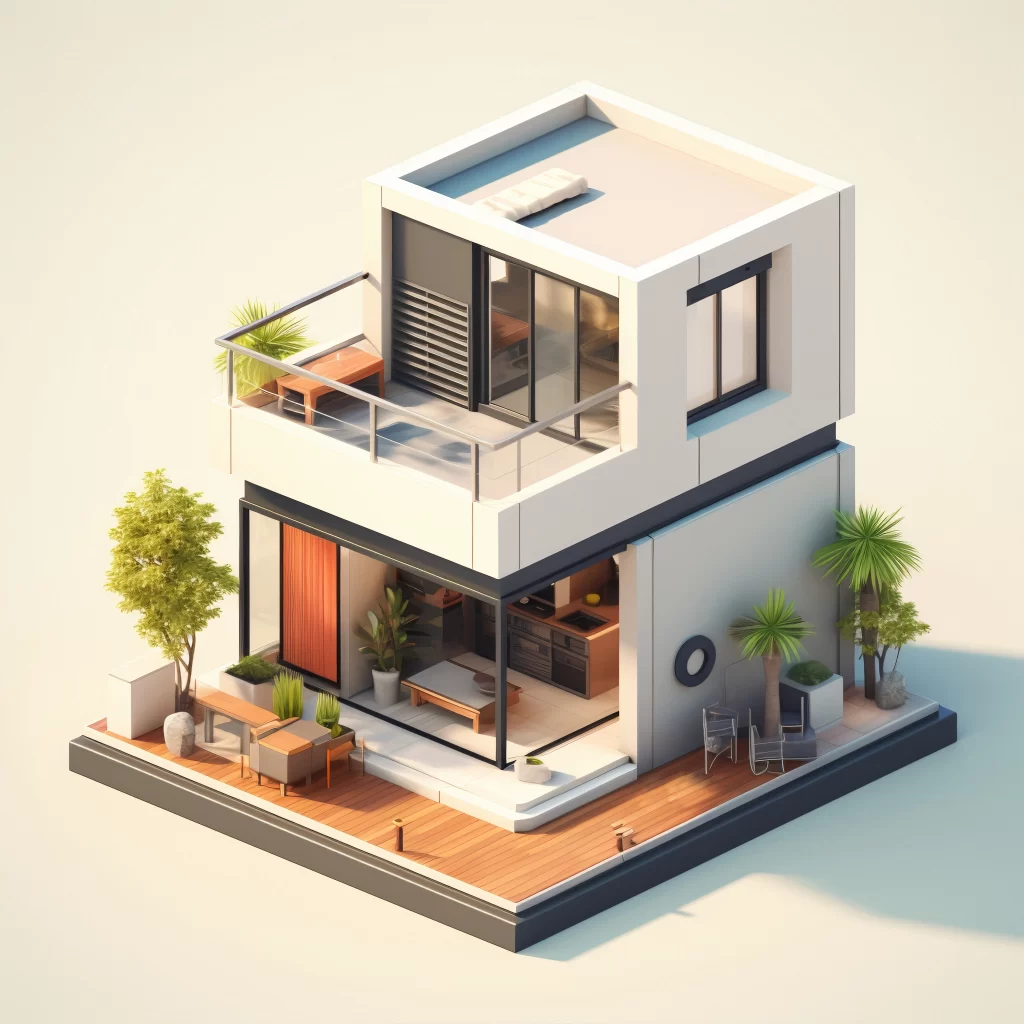
3D rendering of a house empowers designers and homeowners to visualize projects before construction. With modern house visualization, architectural 3D rendering, and immersive technologies, home design becomes efficient, cost-effective, and inspiring. This innovative tool shapes the Future of 3D Rendering in every home project.
In the ever-evolving world of architecture and interior design, 3D rendering of a house has emerged as a revolutionary tool for both designers and homeowners. Unlike traditional sketches or 2D drawings, 3D rendering allows you to see your dream home in lifelike detail before the first brick is laid. Whether it’s an ultra-modern villa or a cozy apartment, 3D rendering of a modern house bridges the gap between imagination and reality.
For designers, it’s about precision and creativity. For homeowners, it’s about confidence and clarity. Let’s explore why architectural 3D rendering and home design rendering have become indispensable tools in today’s home design process.
1. Understanding the Power of 3D Rendering
1.1 What Is 3D Rendering of a House?
3D rendering of a house refers to creating a photorealistic digital model of a building, complete with textures, lighting, and materials. This model allows both designers and clients to experience the home before construction begins.
Key Benefits:
- Provides a realistic preview of the design
- Helps in identifying design flaws early
- Reduces the cost of changes during construction
1.2 Evolution into Modern House Visualization
With technological advancements, modern house visualization has reached new heights. Using high-end rendering software, designers can now simulate everything from sunlight patterns and material reflections to furniture placement and wall textures.
This evolution makes 3D rendering of a modern house not just a design step but a storytelling tool for architects.
2. Advantages of 3D Rendering for Designers
2.1 Enhancing Creativity and Presentation
For designers, 3D house design opens new doors for creativity. It allows architects to experiment with various styles, materials, and layouts virtually.
Quick Insights:
- Realistic Visualization: Designers can showcase their ideas through lifelike renders, impressing clients with clarity.
- Improved Communication: Visuals bridge the gap between technical jargon and client understanding.
2.2 Saving Time and Reducing Revisions
Unlike traditional blueprints, home design rendering eliminates guesswork. Designers can quickly update visuals based on client feedback, saving both time and effort.
Main Advantages:
- Instant Modifications: Changes in color, furniture, or layout can be made within minutes.
- Error Detection: Structural or design flaws become evident early in the process.
2.3 Marketing and Portfolio Enhancement
For professional firms offering 3D rendering services, high-quality renders serve as marketing assets. Realistic visuals attract potential clients and investors who prefer seeing results before committing.
3. Benefits of 3D Rendering for Homeowners
3.1 Clear Visualization of the Final Outcome
For homeowners, the concept of 3D rendering of a house is a dream come true. Instead of imagining a home from floor plans, they can now virtually walk through their future space.
Core Benefits:
- Better Decision-Making: See how furniture, lighting, and color schemes work together.
- Personalized Adjustments: Make design tweaks before construction starts.
3.2 Cost Efficiency and Reduced Construction Errors
With architectural 3D rendering, potential issues can be identified before they become expensive problems.
Key Features:
- Accurate Measurements: Digital models ensure precision.
- Budget Optimization: Changes in design elements can be evaluated for cost impact before purchase.
3.3 Emotional Connection with the Design
3D house design goes beyond practicality. It builds emotional connection homeowners feel more invested when they can see their future home in full color and light.
4. Key Elements of Modern House Visualization
4.1 Realistic Lighting and Textures
Lighting and material realism play a vital role in modern house visualization. Designers can simulate different times of day, seasonal lighting, and even artificial light behavior to create authentic views.
4.2 Interior and Exterior Detailing
Home design rendering now captures both interiors and exteriors in vivid detail. From the reflection on kitchen tiles to the texture of an exterior wall, every element adds to the immersive experience.
4.3 Integration of Landscaping and Environment
Advanced tools in architectural 3D rendering also include surroundings like gardens, pools, and terraces helping clients imagine how the home fits into its environment.
5. Transform Interiors with 3D Rendering
In interior design, Transform Interiors with 3D Rendering has become a guiding principle. Designers can now experiment with furniture layouts, lighting tones, and decor styles to match homeowner preferences.
Highlights
- Mood Creation: Experiment with color schemes and textures to evoke specific emotions.
- Functional Layouts: Optimize space utilization using realistic models.
- Material Preview: Visualize the finish of tiles, wood, and metal before actual installation.
6. The Future of 3D Rendering in Home Design
6.1 Immersive Virtual Reality Integration
The Future of 3D Rendering lies in merging 3D visuals with immersive technologies like VR and AR. Soon, homeowners will walk through their digital homes in real time using VR headsets.
6.2 AI-Powered Design Recommendations
AI-based 3D rendering services are helping designers make data-driven decisions, such as predicting lighting efficiency or material sustainability.
6.3 Sustainable and Smart Homes
With 3D rendering of a modern house, sustainability can be designed from the ground up. Designers can test energy-efficient materials, solar lighting angles, and smart systems before construction.
7. Why Choose Professional 3D Rendering Services
7.1 Expertise and Precision
Professional architectural 3D rendering experts ensure that every detail texture, color, proportion is accurately represented, providing a flawless experience for clients.
7.2 Seamless Collaboration
Whether working with builders, interior designers, or clients, professional renderers ensure everyone stays aligned through detailed visual models.
7.3 Faster Project Approval
High-quality home design rendering accelerates project approvals, as stakeholders can visualize concepts and make confident decisions faster.
Conclusion: Bridging Dreams and Reality
The 3D rendering of a house is not just a design tool it’s a bridge between dreams and execution. It allows designers to innovate confidently and homeowners to envision their perfect space. From modern house visualization to immersive 3D house design, this technology is transforming how we plan, present, and build.
With the rapid evolution of tools and the Future of 3D Rendering, the home design process is becoming more transparent, efficient, and creative than ever before. Whether you’re a designer aiming for perfection or a homeowner visualizing your future, 3D rendering of a modern house is your key to turning imagination into reality.