
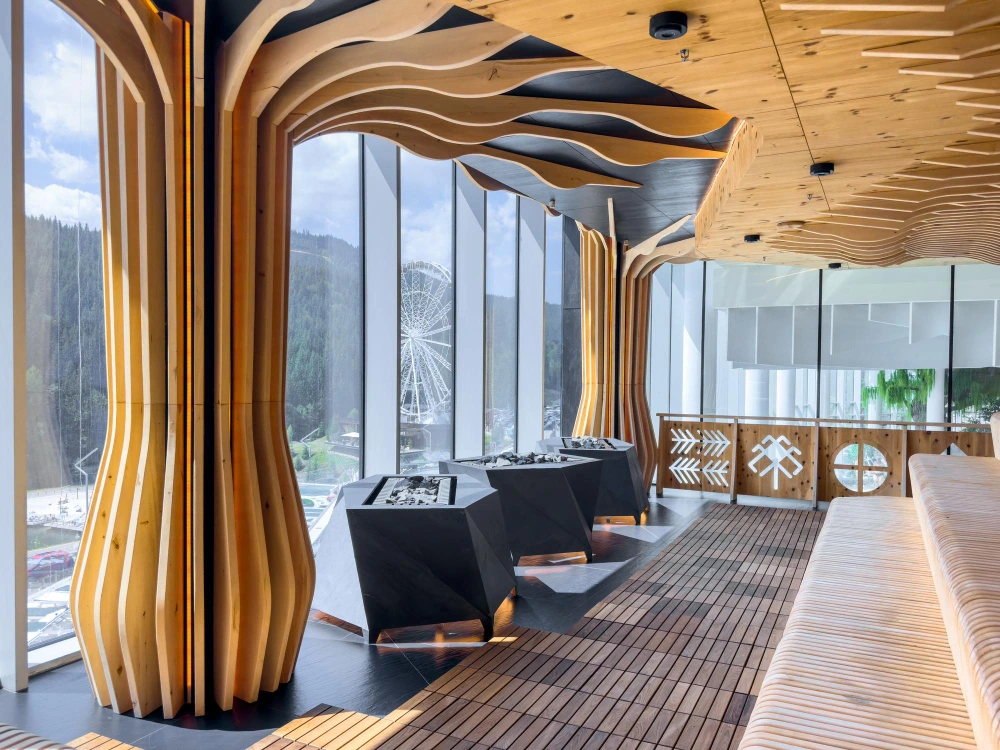
What “brand-standard” actually means
Hotel rendering is not architectural rendering with a hospitality subject. When a property is affiliated with Marriott, Hilton, IHG, Hyatt, Wyndham, Choice or Accor, the brand publishes binding standards governing FF&E, finish schedules, guestroom prototypes, lighting temperature and signage. A visualization that ignores those standards is not a marketing asset – it is a delay.
Franchise coordinators review submittals against the brand book line by line. Generic hotel furniture, a guestroom layout that does not match the prototype, or the wrong carpet pattern will come back with comments, and the approval timeline slips.
The brand-standard checklist
| Element | What reviewers check |
|---|---|
| FF&E | Casegoods, seating, lighting, artwork and soft goods from the approved specification package |
| Finish schedules | Flooring, wallcovering, stone, tile and paint from the brand’s finish standards |
| Guestroom layout | Bathroom configuration, entry vestibule, TV wall, headboard and desk placement per prototype |
| Signage and wayfinding | Logo placement, typography and materials per the brand’s design standards |
| Branding materials | Amenities, in-room collateral and key-card sleeves rendered per brand supply |
| Lighting | 2700K-3000K warm-white in guest areas; the difference between hospitality and institutional |
Our hotel and hospitality rendering services page covers the full deliverable set by outlet type.
The package a hotel launch actually needs
A brand launch or conversion typically runs 15-20 stills plus one animation:
Exterior and arrival (2-3 images)
Blue-hour hero with warm interior glow, porte-cochere arrival, one contextual aerial. These anchor the OTA listing, the direct booking site and the franchise package simultaneously.
Guestrooms (3-6 images)
One per typology – king, double queen, suite variants, plus any brand-defining room. Rendered to the approved FF&E spec.
Public spaces (3-4 images)
Lobby, reception, elevator arrival, primary lounge. The arrival sequence sets brand tone before a guest reaches the desk.
F&B (3-4 images)
Signature restaurant, lobby bar, all-day dining, specialty concept. F&B imagery is usually the highest-emotion, highest-converting content in the launch library.
Amenity (2-4 images)
Pool deck, spa treatment room, wellness centre, meeting space. These support the ADR pitch and drive group-sales enquiries.
Animation (1)
60-90 seconds from arrival through lobby, guestroom, F&B and pool. Anchors the direct booking homepage.
Where these images go after delivery
Hospitality visuals serve more channels than any other asset class in development marketing:
- OTA galleries – Booking.com, Expedia, Hotels.com in required aspect ratios
- GDS listings – Sabre, Amadeus, Travelport image specifications
- PIP submittals – Property Improvement Plan visuals for franchise renewal and brand refresh
- Franchise approval packages – spec-compliant guestroom shots and concept boards
- Investor prospectuses – print-grade TIFFs for PPM and offering memoranda
- Sales collateral – group-sales, wedding and corporate meeting kits
- PR kits – press-ready launch and seasonal imagery
Delivering a single flat JPG format means paying again downstream. Specify the full format set at briefing.
Seven mistakes that stall brand approval
1. FF&E that does not match the brand book
Generic hotel furniture instead of approved casegoods and seating. Franchise coordinators catch this immediately.
2. Wrong lighting temperature
Daylight-temperature renders make a luxury lobby look like a hospital corridor. Warm-white throughout guest areas is not a preference, it is the standard.
3. Empty lobbies and restaurants
An empty F&B outlet reads as a business that failed. Renderings need appropriate, restrained activity.
4. Staging mismatched to segment
Luxury needs crystal glassware, high-end linens and custom art. Select-service needs branded amenities and efficient layouts. Mismatches read as amateur.
5. F&B without menu-driven staging
Fine dining should show wine service and plated courses. A coffee shop needs pastry cases and casual energy.
6. Missing brand signage
Logo placement, typography and wayfinding are governed as tightly as FF&E. Render them to spec.
7. Wrong time of day for the space
Lobbies read best at arrival hour, restaurants mid-service, pool decks mid-afternoon and spas in candle-lit twilight. The wrong hour undermines the mood the brand sells.
Timeline and cost
A full hotel launch package typically takes five to eight weeks: one week for kickoff and brand-book review, two to three weeks for modeling and brand-compliance checks, three weeks for first drafts and brand approval iterations, then animation and final delivery across all required formats.
PIP and smaller refresh packages ship in two to four weeks. See our hospitality rendering services for deliverable-level pricing, or the 2026 cost guide for market benchmarks.
Get a quote
Send drawings, your brand book and the FF&E schedule to info@arktek3d.com or call 904-377-7088. If you are at concept stage with only the brand book, we will make defensible choices from within the approved options and flag anything unresolved at briefing. See our portfolio for recent hospitality work.