
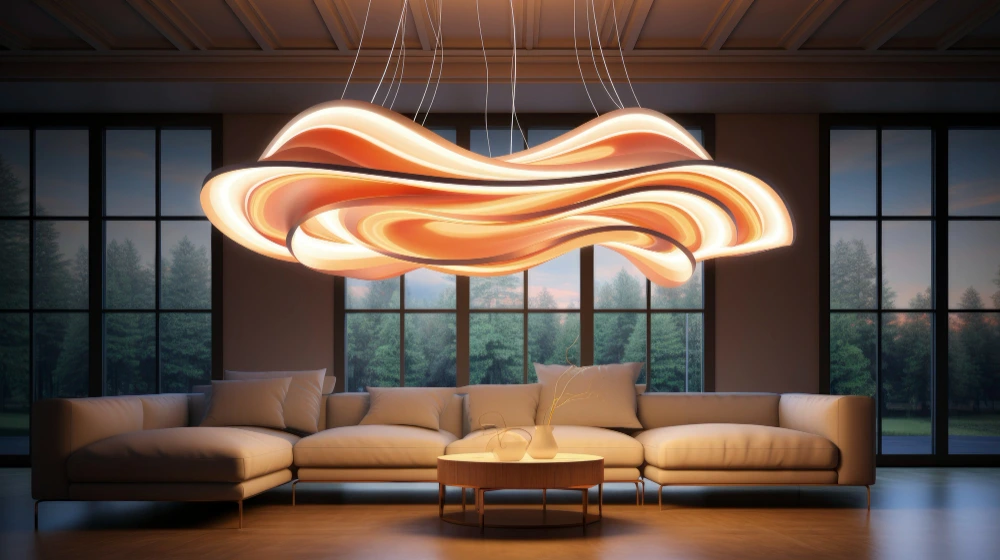
Lighting is the single most powerful element in photorealistic interior rendering it defines mood, reveals materials, and makes a digital space feel genuinely lived-in. This blog serves as a comprehensive guide for interior design professionals and studios, exploring how mastering light transforms renders from technically adequate to visually compelling. From natural daylight simulation to layered artificial sources, understand why lighting sits at the heart of every great 3D Interior Rendering Services output.
Ask any experienced 3D visualization artist what separates a flat, unconvincing render from one that stops a client mid-scroll and the answer is almost always the same: lighting in interior rendering.
You can have flawless geometry, perfectly mapped textures, and a beautifully furnished scene. But if the lighting is wrong, the entire image falls apart. Conversely, thoughtful, well-crafted lighting can elevate even a modest composition into something extraordinary. It shapes perception, drives emotion, and critically makes potential clients believe in a space before it has been built.
Understanding what Rendering Means in Interior Design starts with understanding light. A render is not simply a technical output of a 3D model. It is a visual argument a carefully constructed image designed to make viewers feel something. And no single element does more to shape that feeling than how the scene is lit.
This blog is your guide for interior design lighting in 3D visualization: covering types of light, techniques that professionals use, and why great lighting is central to the Benefits of 3D Interior Rendering Services your clients receive.
What Does Rendering Mean in Interior Design?
Before diving into technique, it helps to establish context. So what does Rendering Mean in Interior Design?
In its broadest sense, rendering is the process of generating a photorealistic or stylized image from a 3D model. In interior design, it means translating a spatial concept room layout, material choices, furniture selection, and lighting plan into a convincing visual representation that communicates the designer’s intent to clients, developers, or stakeholders.
The goal of photorealistic interior rendering is not just visual accuracy. It is emotional truth. When a render is done well, the viewer doesn’t analyze it they feel it. They imagine morning coffee in that kitchen, or unwinding in that living room at dusk. That emotional response is manufactured through a combination of detail, composition, and above all, lighting.
The Three Layers of Lighting in Interior Rendering
Professional 3D Interior Decoration and visualization work relies on a structured approach to lighting. Rather than flooding a scene with generic light and hoping for the best, skilled artists build illumination in deliberate layers each serving a distinct purpose.
1. Ambient (General) Lighting
Ambient lighting forms the baseline layer of illumination in any interior scene. It represents the overall light level in a room the diffused, directionless glow that prevents areas from falling completely into darkness. In photorealistic interior rendering, this is typically simulated through global illumination techniques that allow light to bounce between surfaces, just as it would in a real physical environment.
The key to effective ambient lighting is subtlety. Too much ambient light flattens a scene, eliminating the shadows and contrast that give depth to a space. Too little, and important areas become unreadable. The aim is a natural equilibrium that feels accurate to the time of day being depicted.
2. Natural (Daylight) Lighting
Natural light is the most complex and rewarding source to simulate in interior rendering. Lighting in interior rendering that captures daylight authentically must account for the angle of the sun, the time of day, the orientation of the windows, and the way light filters, reflects, and scatters as it moves through a space.
North-facing windows produce a consistent, cool illumination ideal for showing color accuracy and material fidelity. South-facing rooms cast dramatic directional shadows that move across surfaces throughout the day. Skylights fill spaces from above with a gentle overhead wash. Each scenario demands a different technical setup and a different artistic sensibility.
A midday lighting setup, for example, is the industry default for most presentation renders it provides clear, balanced illumination that accurately represents finishes and color schemes. A golden-hour or sunset setup, by contrast, introduces warmth, drama, and aspiration lending a romantic quality suited to marketing imagery and developer lifestyle presentations.
3. Artificial (Task and Accent) Lighting
Once natural light is established, the layering of artificial lighting brings a scene fully to life. Pendant fixtures, recessed downlights, floor lamps, wall sconces, and LED strips each contribute their own quality of light their own color temperature, spread, and shadow behavior.
In 3D Interior Rendering Services, artificial lights are typically modeled using photometric IES profiles real-world data files that describe exactly how a specific luminaire distributes light. This level of accuracy means that a pendant light in a render behaves optically like the actual product would in a built space, producing authentic cone shapes, soft falloffs, and realistic shadow transitions.
Nighttime renders that showcase artificial lighting in action are among the most impactful images in any designer’s portfolio. They demonstrate the full sophistication of a lighting plan, reveal how different zones of a room respond to targeted illumination, and show the warm, intimate atmosphere that great interior lighting can create.
The Science Behind Photorealistic Lighting
Photorealistic interior rendering achieves its convincing quality through the simulation of how light physically behaves bouncing, scattering, absorbing, and reflecting according to the properties of every surface it encounters.
Global Illumination (GI) is the foundational technology that makes this possible. Rather than treating light as a single direct beam from source to surface, GI algorithms calculate the full chain of light interactions in a scene. Light entering through a window bounces off a white wall, picking up a slight cool cast, before reflecting down onto a timber floor and scattering upward to softly illuminate the underside of a dining table. Each of these secondary interactions contributes to the sense of depth, warmth, and physicality that defines truly photorealistic interior rendering.
Color Temperature is another critical variable. Warm light (measured at lower Kelvin values) reads as inviting and cosy well suited to living rooms, bedrooms, and hospitality spaces. Cool light (higher Kelvin values) reads as crisp and focused appropriate for workspaces, bathrooms, and retail environments. Mixing color temperatures intelligently perhaps a warm ambient glow punctuated by cooler task lighting is a mark of sophisticated 3D Interior Decoration and visualization practice.
Shadows are equally important and often underestimated. A common misconception is that good lighting means bright lighting. In reality, shadows are not the absence of light they are a fundamental compositional element. They anchor furniture to floors, define the contours of surfaces, reveal the texture of materials, and give a space its sense of three-dimensional reality. Soft, diffused shadows (created by large window sources or area lights) lend interiors a calm, natural quality. Sharper shadows introduce drama and visual tension.
Benefits of Interior Design Rendering: The Business Case for Great Lighting
Understanding the Benefits of Interior Design Rendering requires thinking about the professional context in which these visuals are used. Interior designers, property developers, real estate agents, and renovation contractors all rely on high-quality renders to communicate their vision and lighting quality is central to how effectively that communication works.
When a render accurately captures the warmth of a breakfast room in morning light, or the atmospheric intimacy of a candlelit dining space in the evening, it does something that a floor plan or mood board simply cannot: it creates an emotional connection between the viewer and the space. That connection accelerates decision-making, reduces revision cycles, and builds the client’s confidence that what they are investing in will truly deliver what they imagined.
Benefits of 3D Interior Rendering Services include:
Faster Client Approvals :- When clients can see exactly how a space will look and feel under real lighting conditions, they make faster, more confident decisions. Lighting-led renders eliminate the ambiguity that leads to back-and-forth revisions late in the design process.
Stronger Marketing Impact :- For developers and real estate professionals using Interior Designers for Marketing, photorealistic renders with carefully crafted lighting are among the most powerful sales tools available. A beautifully lit render of a kitchen or master suite communicates aspiration instantly, in a way that converts interest into enquiry.
Material and Finish Validation :- Lighting reveals materials. The sheen of a marble worktop, the warmth of a timber floor, the softness of a fabric sofa none of these qualities are visible in a technical drawing. Well-crafted lighting in interior rendering allows clients to evaluate and confirm material choices before purchasing, avoiding expensive surprises during fit-out.
Competitive Differentiation :- In a market where potential clients compare multiple design proposals, the quality of a studio’s visualization work signals the quality of their design process. Renders that demonstrate lighting mastery position a studio as a premium, detail-oriented practice.
Interior Designers for Marketing: Lighting as a Sales Tool
The role of Interior Designers for Marketing has expanded significantly in recent years. Whether promoting a new residential development, marketing a commercial fit-out, or building a design portfolio to attract new clients, the quality and atmosphere of interior renders are directly tied to commercial outcomes.
Lighting is the dimension of rendering that speaks most directly to buyers and end users. Technical drawing expertise impresses other professionals. Lighting-rich photorealistic images impress everyone because they communicate a feeling before they communicate a specification.
For marketing purposes, lighting setups are often chosen to maximize emotional impact. Late afternoon light creates a sense of warmth and arrival. Bright midday renders communicate space and clarity. Evening scenes with layered artificial lighting suggest comfort, intimacy, and sophistication. The best 3D Interior Rendering Services studios understand this language and use it deliberately, matching the lighting narrative to the audience and the purpose of the image.
3D Interior Decoration: How Lighting Enhances Styling Details
No discussion of lighting in rendering is complete without acknowledging how it interacts with styling and 3D Interior Decoration. The furniture, accessories, soft furnishings, artwork, and plants that populate a rendered interior are not merely decorative they are the elements that bring a space to life and make it feel inhabited and real. But all of that detail is only visible because of how it is lit.
The sheen on a ceramic vase, the grain in a timber sideboard, the pile of a rug catching raking light from a floor lamp these micro-details are what give a render its tactile quality, its sense that you could reach in and touch the surfaces. Lighting that is designed to reveal these details through strategic use of accent lighting, directional key lights, and careful shadow management elevates 3D Interior Decoration from a visual prop to a fully convincing portrayal of a designed environment.
This is the detail that clients notice, even if they cannot articulate why. The best renders feel warm, rich, and real. The difference between those renders and ordinary ones is, almost always, the lighting.
Conclusion: Light Is the Language of Interior Rendering
Of all the elements that define the quality of photorealistic interior rendering, lighting stands apart. It is at once the most technical and the most artistic dimension of the craft. It demands understanding of physics, architecture, photography, and human psychology. And when it is executed well, it disappears leaving only the seamless impression of a real, beautiful space.
For interior designers, developers, and renovation specialists, the Benefits of 3D Interior Rendering Services are realized most fully when lighting is treated as a primary design element in its own right not as a finishing touch, but as the foundation upon which every visual decision is built.
At Arktek3D, lighting craft is central to how we approach every interior visualization project. Whether you need 3D Interior Rendering Services for a residential fit-out, a commercial project, or a marketing campaign, our team brings the technical precision and artistic sensitivity to make your spaces shine literally.
Read More:- How High-Quality Interior Visuals Transform Design Presentations