
Not every 3D rendering studio offers the same range or rigor. This piece breaks down what actually differentiates Arktek 3D from full-service architectural visualization and animation to specialized industrial and aerial rendering, backed by a disciplined process and a forward-looking approach to the technology.
Search “3D rendering company” and you’ll find hundreds of studios claiming photorealistic quality and fast turnaround. So what actually separates a rendering partner worth trusting with a real project from one that just looks good on a portfolio page? At Arktek 3D, the answer comes down to range, process, and a genuine understanding of how rendering supports design decisions not just pretty pictures.
A Full Range of Services, Not Just One Specialty
Many studios specialize narrowly some only do exteriors, others only interiors. Arktek 3D covers the full spectrum a real architectural or design project actually needs.
3D Architectural Visualization is the foundation of everything the studio does: turning technical drawings and concepts into visuals that communicate a design’s intent clearly, whether that’s for a client pitch, a planning submission, or internal design review.
From there, the studio’s 3D Architectural Exterior Rendering work focuses on getting massing, materials, and site context right how a building actually sits in its surroundings, under realistic lighting, with landscaping and neighboring structures accounted for rather than an isolated hero shot.
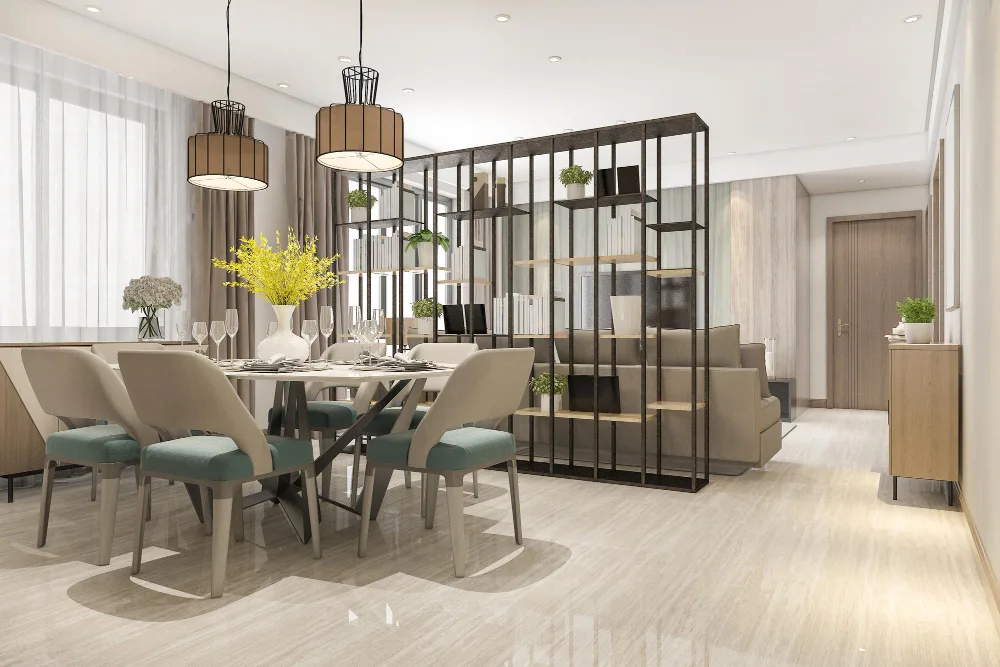
3D Interior Rendering rounds out the physical space, capturing material finishes, furniture layout, and lighting mood so clients can picture themselves inside a space long before it exists.
And for projects that need more than a still image, 3D Architectural Animation lets clients walk through a design in motion following a camera through a lobby, around a courtyard, or across an entire masterplan, which often communicates spatial flow far better than static renders alone.
A Process Built on Precision, Not Guesswork
Rendering quality lives or dies on process. Arktek 3D treats Rendering Definition, Process as something to be rigorous about at every stage from initial model accuracy through to final colour grading rather than rushing straight to a “final” render and hoping it looks right.
That discipline extends to the technical side too. The studio pays close attention to Render Resolution in 3D Rendering, matching output resolution to how the image will actually be used a print-ready marketing image, a website hero banner, and a large-format exhibition print all have different requirements, and getting that wrong is a common (and avoidable) mistake other studios make.
Understanding the full Process of 3D Rendering from modeling and texturing through lighting setup and post-production means the team can troubleshoot issues early rather than discovering them at the final render stage, which is where deadlines usually get blown.
Expertise That Goes Beyond Just Producing Images
What separates Arktek 3D from a purely production-focused studio is a genuine investment in understanding the craft, not just executing it. The team regularly puts together resources like a Guide to 3D Exterior Rendering for Architects & Designers, helping clients understand what makes an exterior render actually work lighting direction, material accuracy, context rather than treating rendering as a black box.
Similarly, a Guide to Creating Realistic 3D Renders reflects the studio’s focus on believability over exaggeration: renders that look like real photographs of a real place, not overly polished CGI that undermines client trust once the building is actually built.
That same thinking carries into Rendering in Interior Design, where the goal isn’t just an attractive image but an accurate one correct scale, believable material behavior under light, and furniture layouts that actually reflect how a space will be used.
Specialized Capabilities Most Studios Don’t Offer
A lot of rendering studios stick to residential and commercial buildings because that’s where the bulk of demand sits. Arktek 3D’s range goes further.
3D Rendering for Industrial Facilities is a genuinely specialized skill accurately representing equipment, piping, structural steel, and facility layouts requires a different level of technical modeling than a typical residential exterior, and it’s a capability not every studio maintains.
Aerial 3D Rendering is another area where the studio’s range shows bird’s-eye and drone-perspective views are increasingly requested for masterplans, large developments, and site-context presentations, and producing them convincingly takes different lighting and composition skills than a standard eye-level render.
The studio also works with Rendering Tools for Stunning Landscape Design Projects, recognizing that landscaping is often what makes an exterior render feel alive accurate planting, realistic ground textures, and outdoor lighting that ties a building to its site rather than leaving it looking dropped in.
Staying Ahead of Where the Industry Is Headed
Rendering technology moves fast, and studios that don’t keep up eventually fall behind on both speed and realism. Arktek 3D actively tracks the Future of 3D Rendering real-time rendering engines, AI-assisted workflows, and faster iteration cycles and adopts tools that genuinely improve turnaround and quality, rather than chasing every new trend for its own sake.
This forward-looking approach matters practically: clients get faster revisions, more accurate previews during the design process, and final renders produced with current-generation tools rather than techniques that were standard five years ago.
Why This Combination Matters
Any single one of these things a broad service range, a disciplined process, genuine design expertise, specialized capabilities, or staying current with technology might exist at another studio. Few combine all of them consistently on every project.
That’s really what makes Arktek 3D different: it isn’t one standout feature, it’s the fact that a client doesn’t have to compromise. A studio capable of 3D Architectural Visualization, 3D Architectural Exterior Rendering, 3D Interior Rendering, and 3D Architectural Animation under one roof, backed by a rigorous Process of 3D Rendering and specialized experience in 3D Rendering for Industrial Facilities and Aerial 3D Rendering, means one relationship instead of juggling multiple vendors for a single project.
Final Thoughts
Choosing a rendering partner isn’t just about who can produce a nice-looking image it’s about who understands architecture, process, and technology well enough to get the details right the first time. Arktek 3D’s combination of full-service range, technical rigor around Render Resolution in 3D Rendering, and specialized capabilities most studios don’t offer is what continues to set it apart from other rendering companies.
If you’re planning a project and want to see how this approach applies to your specific brief, reach out to the Arktek 3D team for a consultation.
Frequently Asked Questions
How is Arktek 3D different from a studio that only does exterior or interior renders?
Working with a single studio across 3D Architectural Visualization, exterior, interior, and animation means a consistent visual style, lighting logic, and material accuracy across every deliverable rather than stitching together work from multiple vendors who may interpret a brief differently.
Does Arktek 3D work on projects beyond residential and commercial buildings?
Yes. Alongside standard architectural work, the studio handles 3D Rendering for Industrial Facilities and Aerial 3D Rendering, both of which require specialized modeling and lighting skills that many general-purpose studios don’t maintain in-house.
What does “realistic” actually mean in Arktek 3D’s renders?
It means matching real-world lighting behavior, material properties, and scale rather than producing an overly polished, artificial-looking image. This is the same philosophy behind the studio’s own Guide to Creating Realistic 3D Renders believability over exaggeration.
Related reading
For more on this, see our guide to 3D rendering turnaround times.