
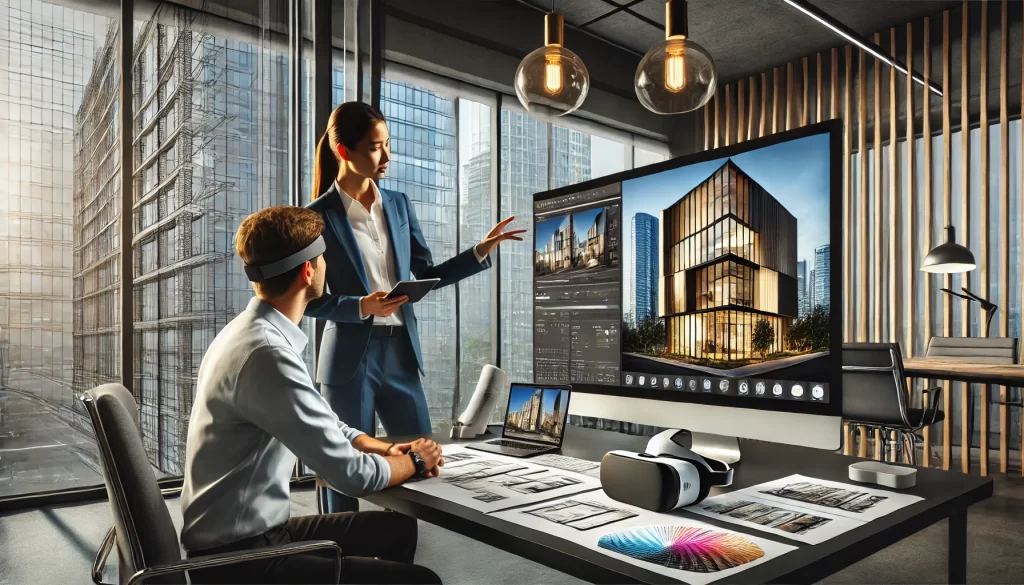
In architecture, real estate and interior design, ideas only come to life once people can see them. Clients and stakeholders want detailed, realistic visuals so they can understand and approve a design before construction or renovation begins. The quality of those visuals, and how smoothly the project runs, depends heavily on the 3D rendering consultant or visualization studio you choose.
With so many rendering providers available, finding the right fit can be hard. This guide walks you through what to define before you start, how to evaluate portfolios, experience, technology and communication, what to look for in interior-focused projects, and the common mistakes to avoid.
Step 1: Understand Your Project Needs
Every project is different, so start by defining exactly what you need. Ask yourself:
- Is it a residential, commercial, hospitality or industrial project?
- Do you need exterior renders, interior visualization, or both?
- Would a 3D walkthrough animation help your presentation or marketing?
- Will a VR or interactive walkthrough add value?
- How many views do you need, and what is your deadline?
A township or master-planned community usually needs detailed exterior and aerial renders, while a high-rise or hotel may benefit most from an immersive walkthrough. The clearer your brief, the faster you will find a consultant who specializes in exactly what you need.
Step 2: Know the Types of Visualization Services
It helps to know what each service delivers so you can compare providers like for like.
| Service | Best for | What you get |
|---|---|---|
| Photorealistic interior and exterior renders | Residential and commercial projects | High-resolution stills for approvals, listings and marketing |
| Virtual walkthroughs | Developers, hotels, large interiors | Guided video tours through and around the space |
| VR and interactive tours | Premium projects, remote clients | Real-time exploration on screen or with a headset |
| Restaurant and hospitality visualization | Restaurants, cafés, hotels | Layout testing, lighting and ambience studies |
| Home renovation visualization | Homeowners and remodelers | Previews of colors, flooring, finishes and furniture layouts |
Step 3: Evaluate the Portfolio
A portfolio shows what a consultant can and cannot do. When you review it, look at:
- Quality and realism: are the renders truly photorealistic? Check lighting, textures, reflections and shadows.
- Range of projects: have they worked on projects like yours? Variety signals flexibility and experience.
- Technical depth: look for complex work such as large walkthroughs, aerial master plans or high-rise animations.
- Consistency: is the quality high across every project, not just a few hero images?
Step 4: Assess Experience and Expertise
An experienced consultant brings industry knowledge as well as technical skill, and can spot issues an inexperienced one might miss. Consider:
- Years in the industry: how long have they been producing architectural renders?
- Project diversity: residential, commercial, hospitality and industrial experience.
- Understanding of design: can they read architectural drawings and suggest improvements to camera angles, lighting and composition?
Step 5: Check the Technology and Software
The tools a studio uses affect both quality and speed. Common professional software includes:
- 3ds Max: versatile, industry-standard modeling and scene setup.
- V-Ray and Corona: realistic lighting, materials and shading.
- Lumion, Enscape and D5 Render: fast and real-time architectural visualization.
- Unreal Engine: interactive tours and VR.
- Blender and SketchUp: flexible modeling and rendering.
A studio that keeps up with new technology can offer more creative options and better results.
Step 6: Read Reviews and Ask for References
Reviews and testimonials show how a consultant works in practice. Look for:
- Satisfaction: are clients happy with the renders and the overall experience?
- Timeliness: did they consistently meet deadlines?
- Responsiveness: were they open to feedback and quick to reply?
Do not hesitate to ask for references or case studies from projects similar to yours.
Step 7: Compare Pricing and Turnaround Time
It is tempting to choose the lowest quote, but quality rarely comes cheap. When comparing prices, check:
- Transparency: is the pricing model clear, including what counts as a revision?
- Value: does the quality justify the cost?
- Flexibility: do they offer packages or tailor services to your project?
- Turnaround: are timelines realistic, and can they handle urgent deadlines without cutting corners?
See our 3D rendering pricing guide, our take on cost vs. value, and how a studio compares with a freelance visualizer.
Step 8: Make Sure Communication Is Strong
Good communication is the foundation of a successful project. Your consultant should be:
- Responsive: replying to questions promptly.
- Curious: taking time to understand your ideas, brand and audience.
- Proactive: sharing regular progress updates and draft views for feedback.
Step 9: Request a Sample or Test View
Before committing to a large project, ask for a sample render or a paid test view. It lets you judge realism, attention to detail and overall quality first-hand, and shows how the studio handles your feedback.
Choosing Visualization Services for Interior Design Projects
Interior projects have their own requirements. Beyond the steps above, look for a provider who can:
Handle Hospitality and Restaurant Interiors
Restaurants and hotels depend on ambience. A good studio lets you test seating layouts, decor, lighting and material combinations, and produce immersive presentations for owners and investors. See 3D visualization for restaurant interiors and interior rendering for hotels and resorts.
Support Home Renovations
Homeowners find it hard to picture changes until they are built. Renovation visuals let them test wall colors, flooring and furniture layouts, compare design concepts and avoid costly mistakes. Read how 3D visualization can transform your home renovation.
Tell a Story with the Space
The best interior visuals show how a space is used: morning light in a kitchen, an evening atmosphere in a restaurant, the flow from lobby to lounge. Storytelling in 3D visualization engages clients emotionally, highlights functional flow and helps designs win approval.
Pros and Cons of Professional 3D Visualization
| Pros | Cons |
|---|---|
| Clients understand designs faster and more clearly | Requires an upfront investment |
| Design flaws are caught early, avoiding rework | Detailed renders take time to produce |
| Interactive presentations boost engagement | Depends on specialist software and hardware |
| Renders double as high-quality marketing material | Results vary widely between providers |
For most projects, the benefits outweigh the drawbacks, and choosing an experienced provider removes most of the downside. Read more in the pros and cons of 3D visualization and photography.
Benefits of Hiring the Right Consultant
- Accurate representation: renders that faithfully reflect your design.
- Polished presentations: visuals that impress clients, investors and approval boards.
- Streamlined workflow: fewer revision rounds and faster delivery.
- Creative input: fresh ideas on composition, lighting and styling.
- Marketing value: images ready for websites, social media and sales materials.
Common Mistakes to Avoid
- Choosing on price alone: the cheapest quote often costs more in revisions and delays.
- Ignoring portfolio quality: a weak or inconsistent portfolio is a red flag.
- Overlooking communication: poor communication leads to misinterpretation and missed deadlines.
- Ignoring technology: outdated tools limit quality and speed.
- Sending an incomplete brief: missing drawings or finish specs slow everything down.
Many architects and designers outsource 3D rendering to a specialist studio to get consistent quality without building an in-house team.
Frequently Asked Questions
What does a 3D rendering consultant do?
A 3D rendering consultant or studio turns architectural drawings and design ideas into photorealistic images, walkthroughs and interactive experiences used for approvals, presentations and marketing.
How do I choose the right 3D rendering company?
Define your project needs, review portfolios for realism and relevant experience, check software and turnaround times, read reviews, compare transparent pricing, and request a sample before committing.
What should I send a rendering studio to get a quote?
Floor plans, elevations or CAD/BIM files, material and finish specifications, reference images, the number of views you need and your deadline.
What should I look for in an interior visualization provider?
Strong interior portfolio work, realistic lighting and materials, experience with your project type (residential, hospitality or renovation), and the ability to produce walkthroughs or VR if you need them.
Is it better to hire a freelancer or a rendering studio?
Freelancers can suit small, simple jobs. Studios typically offer more capacity, consistent quality, multiple specialists and more reliable deadlines for larger or time-sensitive projects.
Conclusion
The right 3D rendering consultant can make the difference between a design that wins approval and one that stalls. Beyond technical skill, look for creativity, attention to detail and consistent communication. By defining your needs and carefully evaluating portfolios, experience, technology, pricing and support, you will find a partner who brings your vision to life. Explore all of Arktek’s 3D rendering services or request a free quote.